

Explore Crypto with the Kryptonim Blog
Dive into the dynamic world of cryptocurrencies. Stay informed and inspired with the latest news, analysis, and trends in the market.

How GDPR Impacts Crypto Exchange Users
EU GDPR rights, deletion limits, breach notification rules, and how exchanges use off-chain storage and cryptography to protect users.
Read moreCategories
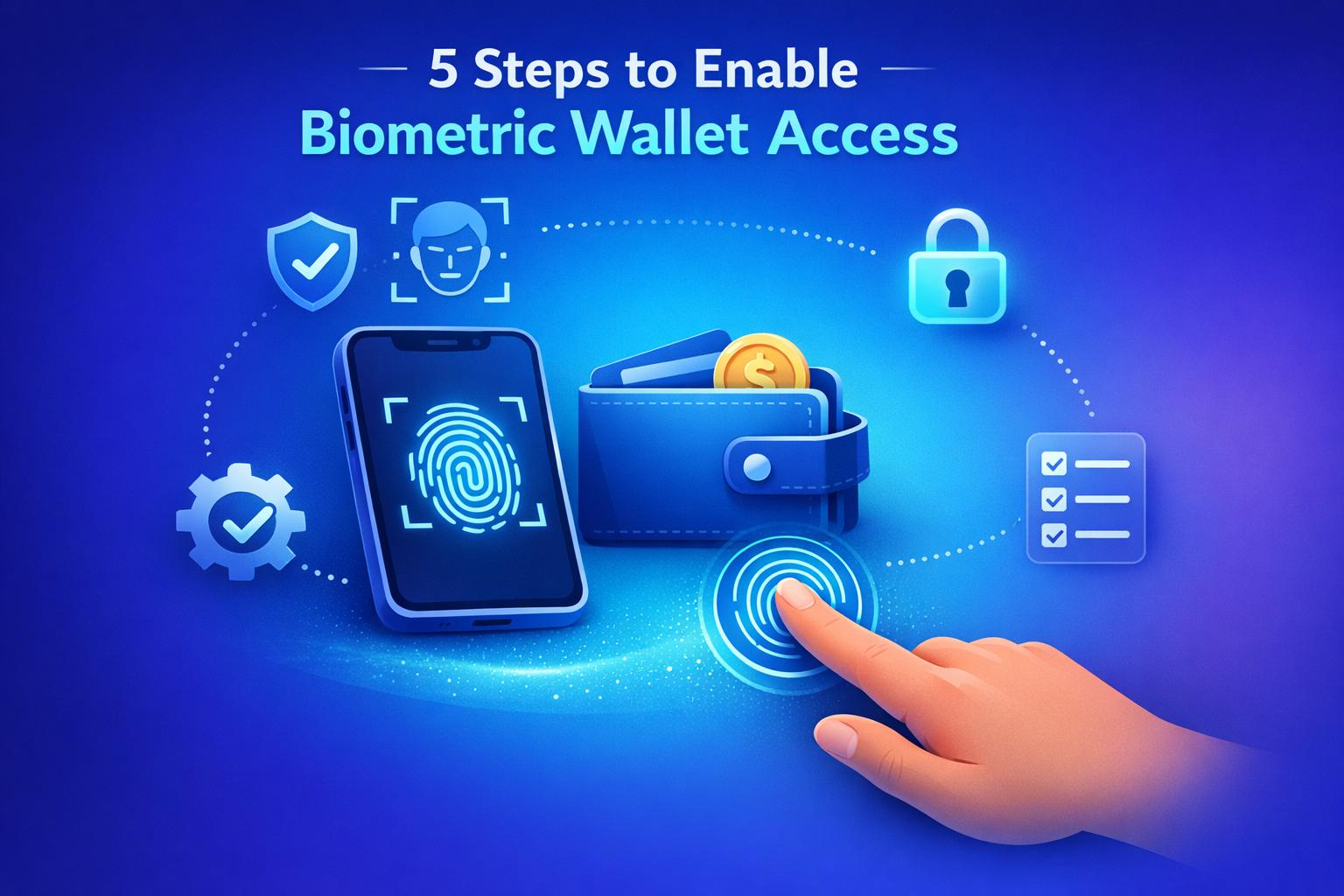
5 Steps to Enable Biometric Wallet Access
Enable fingerprint or Face ID for your digital wallet in five steps: verify device, set passcode, allow biometrics, and adjust locks.
Read more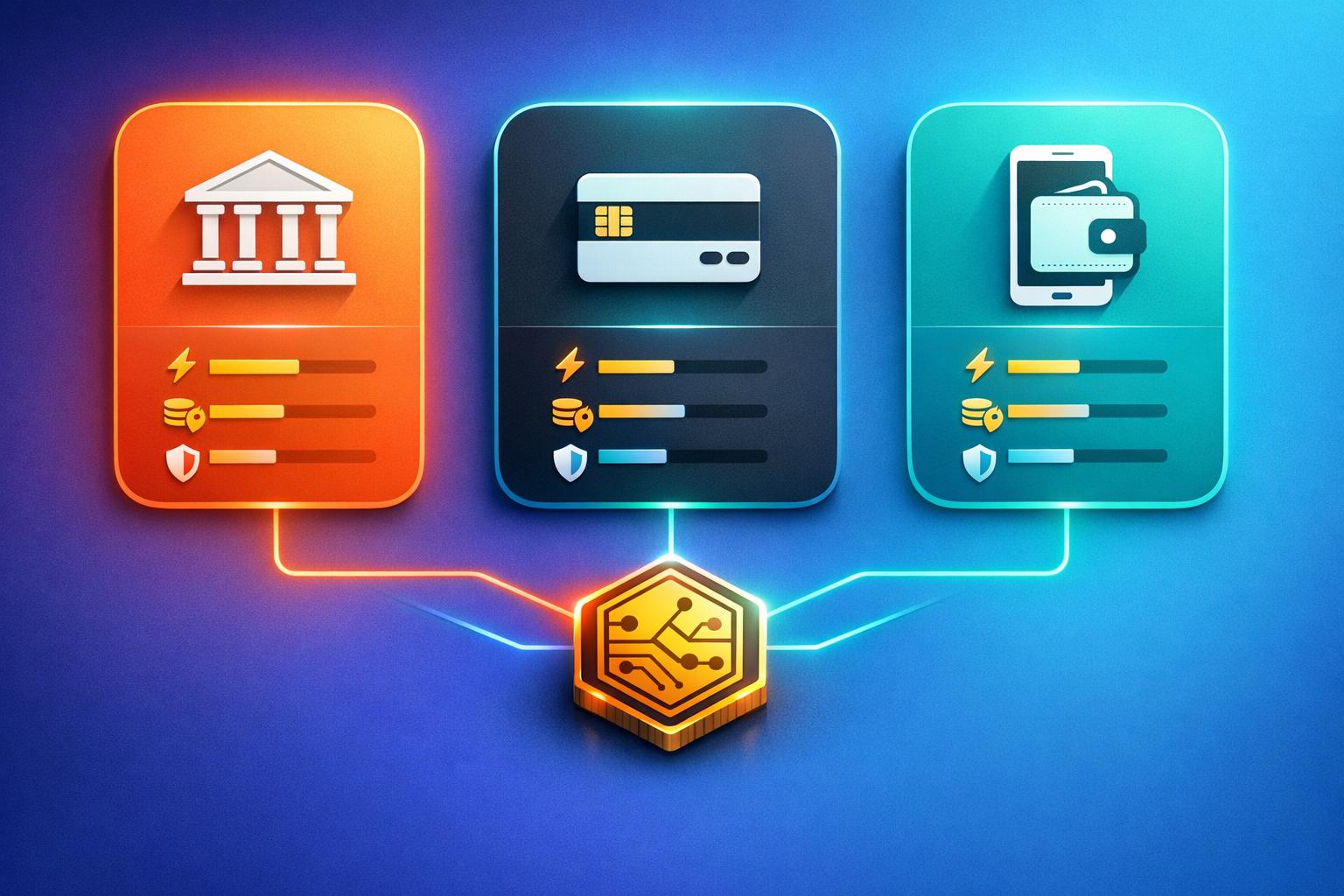
Fiat Payment Methods for Crypto: Top Platforms Compared
Compare fiat-to-crypto payment options—fees, speed, and security—and learn which methods best fit your region and needs.
Read more
Why the Next Wave of Crypto Users Will Demand Privacy by Default
Public blockchains expose transactions; next crypto users will expect privacy by default, using wallets, mixers and no-account services.
Read more
Private Crypto Payments in the EU: What's Legal, What's Private, What's Next
How EU laws (MiCA, AML, Travel Rule, CARF) reshape crypto payments, privacy coins, P2P transfers and compliant platforms.
Read more
ZK Privacy in Crypto Wallets: Why Your Transaction History Should Be Yours
Zero-knowledge proofs let crypto wallets hide transaction details, enable selective disclosure, and preserve privacy without compromising security.
Read more
What Is ZK Proof? The Tech That Lets You Pay Without Revealing Who You Are
Explains how zero-knowledge proofs let you validate payments and identity without revealing data, plus types, benefits, and limits.
Read more
How to Split Bills With Friends Using Stablecoins (No Bank Account Needed)
Split rent, dinners, or trips instantly with USDC/USDT via a mobile wallet — no bank account, low fees, and secure tips.
Read more
SocialFi Apps vs Traditional Payment Apps: What's Actually Different
Compare SocialFi's crypto, NFT, and user-owned models with traditional payment apps' fiat, custodial security, and ease.
Read more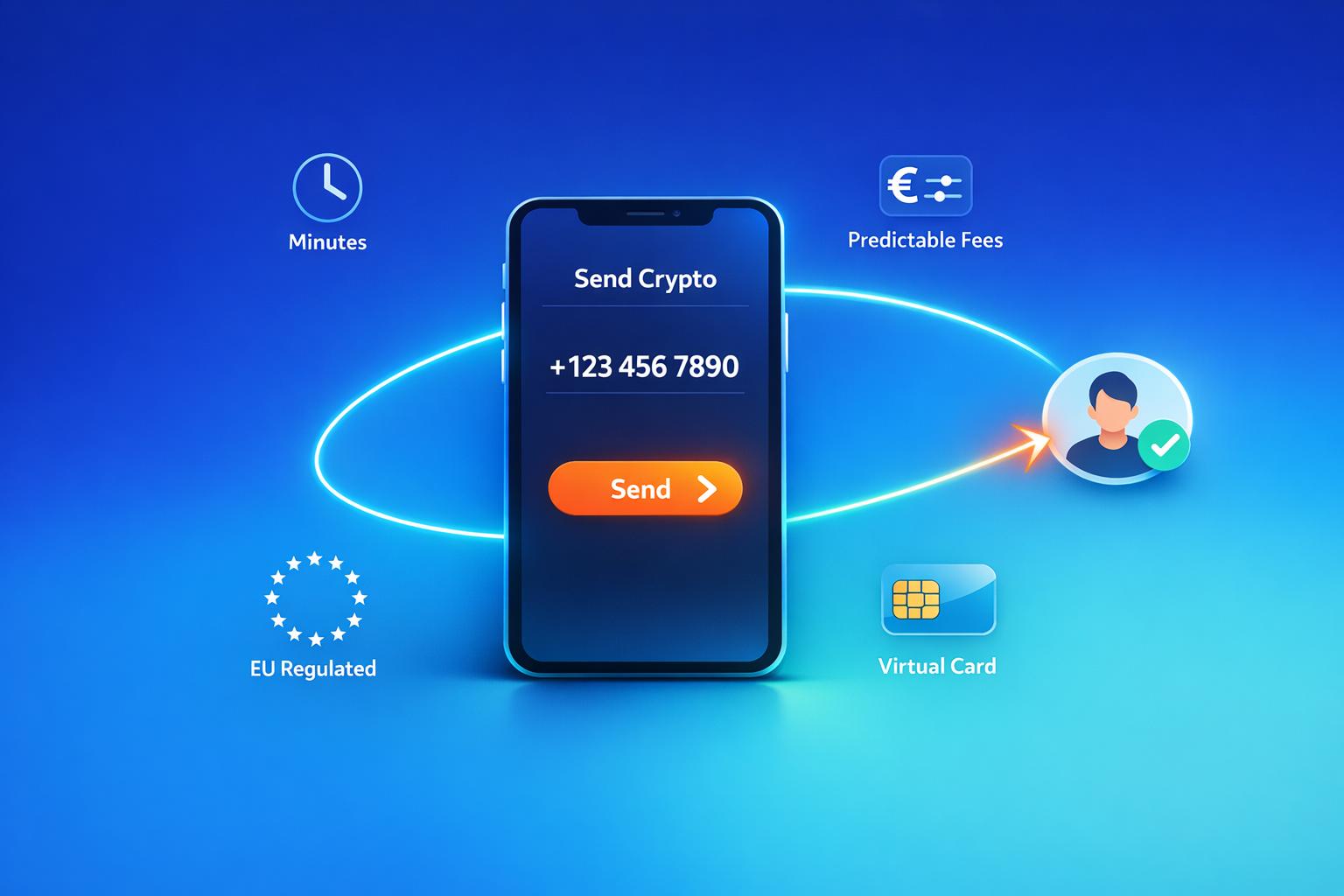
Forget IBANs: Why Crypto Payments by Phone Number Are Taking Over
Phone-number crypto payments make transfers simple, fast and low-cost—minutes, predictable fees, EU-regulated platform and virtual cards.
Read more
What Is SocialFi? The New Way to Send, Split and Save Money With Friends
Learn how SocialFi uses blockchain, tokens and smart contracts to send money, split bills, and save with friends while keeping data control.
Read more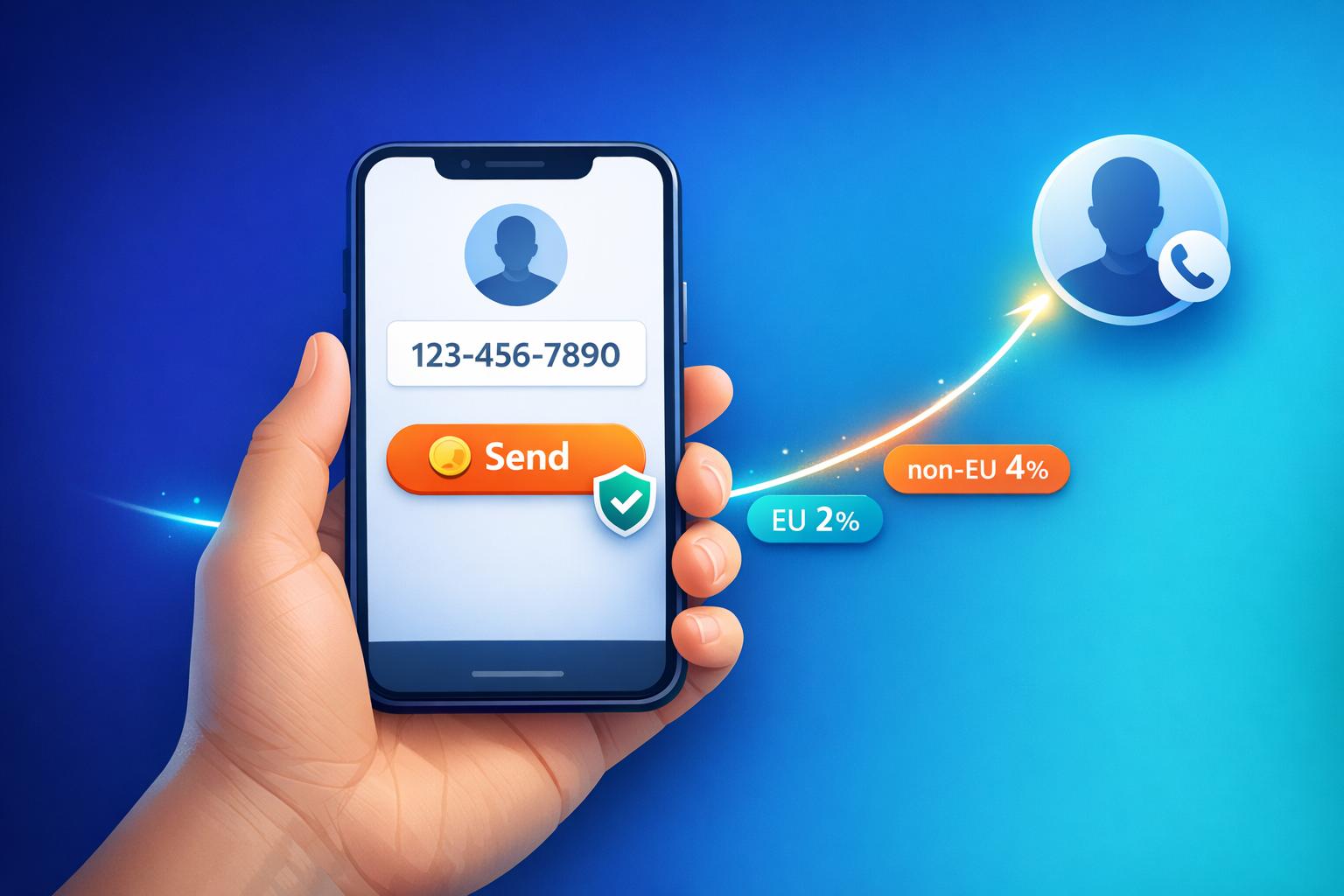
How to Send Crypto to Someone Using Just Their Phone Number
Send crypto using a phone number for instant off-chain transfers, clear fees (EU 2%/non‑EU 4%), and recommended 2FA security.
Read more
MiCA Explained: What the EU Crypto Regulation Means for Your Wallet in 2026
MiCA tightens EU crypto-wallet safety with asset segregation, stablecoin rules and stricter platform compliance before July 1, 2026.
Read more
Crypto Off-Ramp Explained: How to Convert USDC Back to Euros
Step-by-step guide to sell USDC for euros via Kryptonim: requirements, fees (2% EU/4% non-EU), timelines, and security tips.
Read moreCrypto Off-Ramp Explained: How to Convert USDC Back to Euros
Step-by-step guide to sell USDC for euros via Kryptonim: requirements, fees (2% EU/4% non-EU), timelines, and security tips.
Read more
How to Get a Crypto Visa Card in Europe - Step-by-Step Guide
Step-by-step guide to applying, activating and using a Crypto Visa card in Europe, plus fees, funding and security tips.
Read more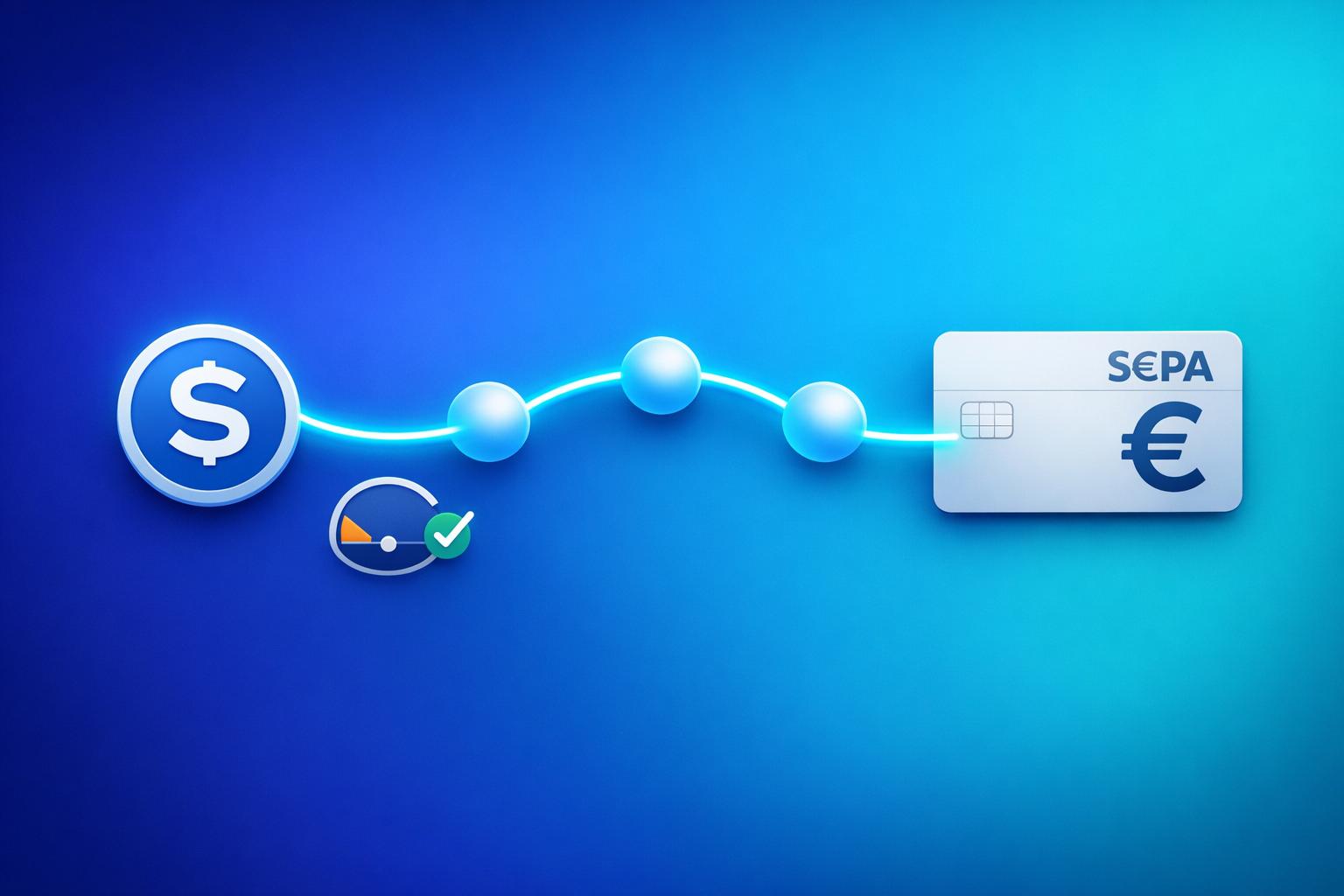
How to Cash Out Stablecoins to EUR Without Losing Money on Fees
Use low-fee networks, SEPA transfers, and smart timing to keep nearly all your value when converting stablecoins to EUR.
Read more
What Is a Crypto Card and How Does It Work With a Self-Custody Wallet?
How crypto cards let you spend crypto via Visa/Mastercard by linking to a self-custody wallet—setup, fees and security tips.
Read more
How to Pay With Crypto Using a Visa Card (Without Selling Your Coins First)
Spend crypto without selling it first: crypto-backed Visa cards convert stablecoins at checkout, offer Google Pay and low, transparent fees.
Read more
Why Stablecoins Are Becoming the Default Payment Rail in 2026
Stablecoins enable instant, low-cost, 24/7 payments, driving bank, merchant, payroll, and remittance adoption worldwide.
Read more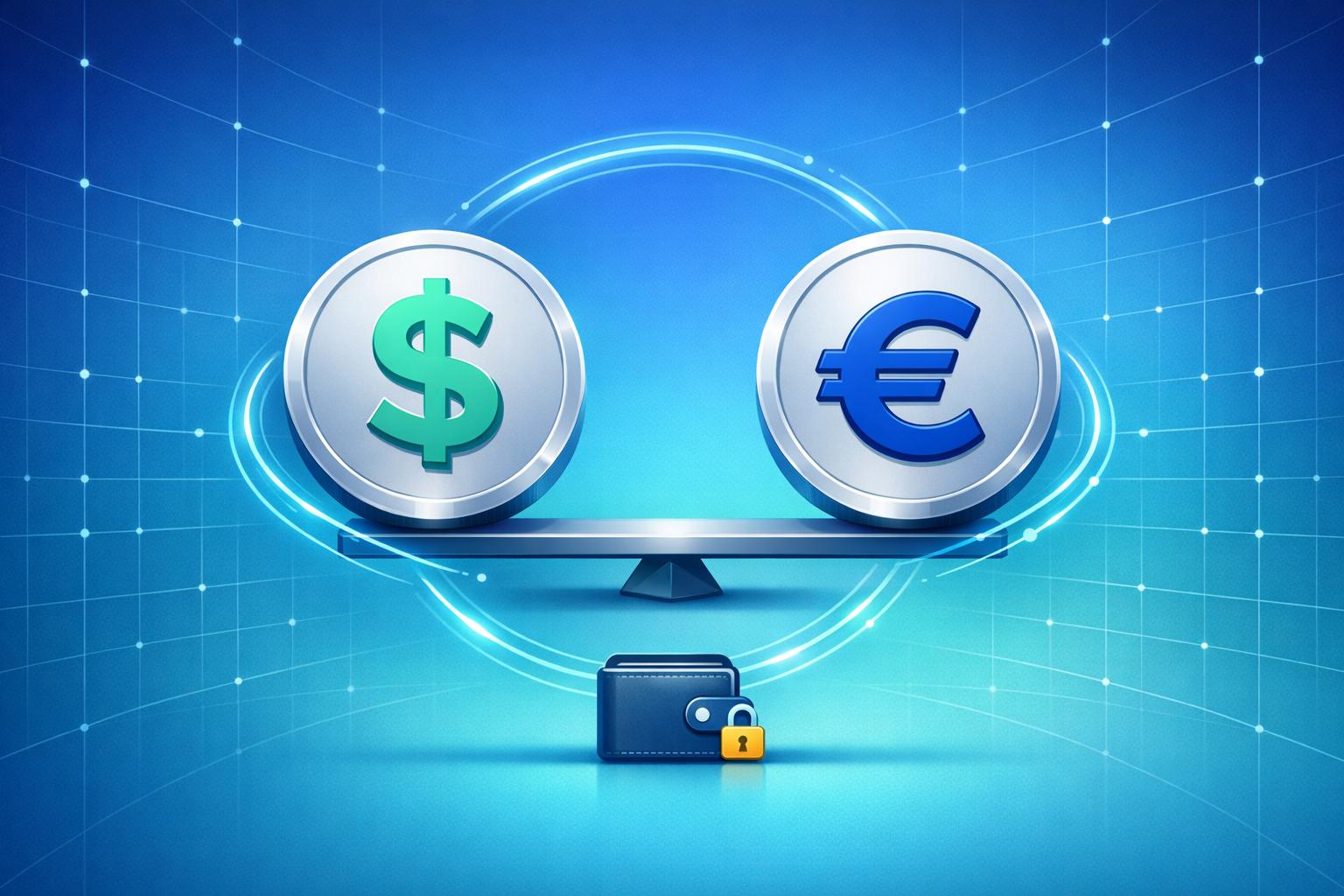
Stablecoins 101: The Beginner's Guide to Euro and Dollar-Pegged Crypto
Stablecoins make fiat money programmable—learn how dollar and euro-pegged tokens work, their uses, risks, and safe ways to buy and store them.
Read more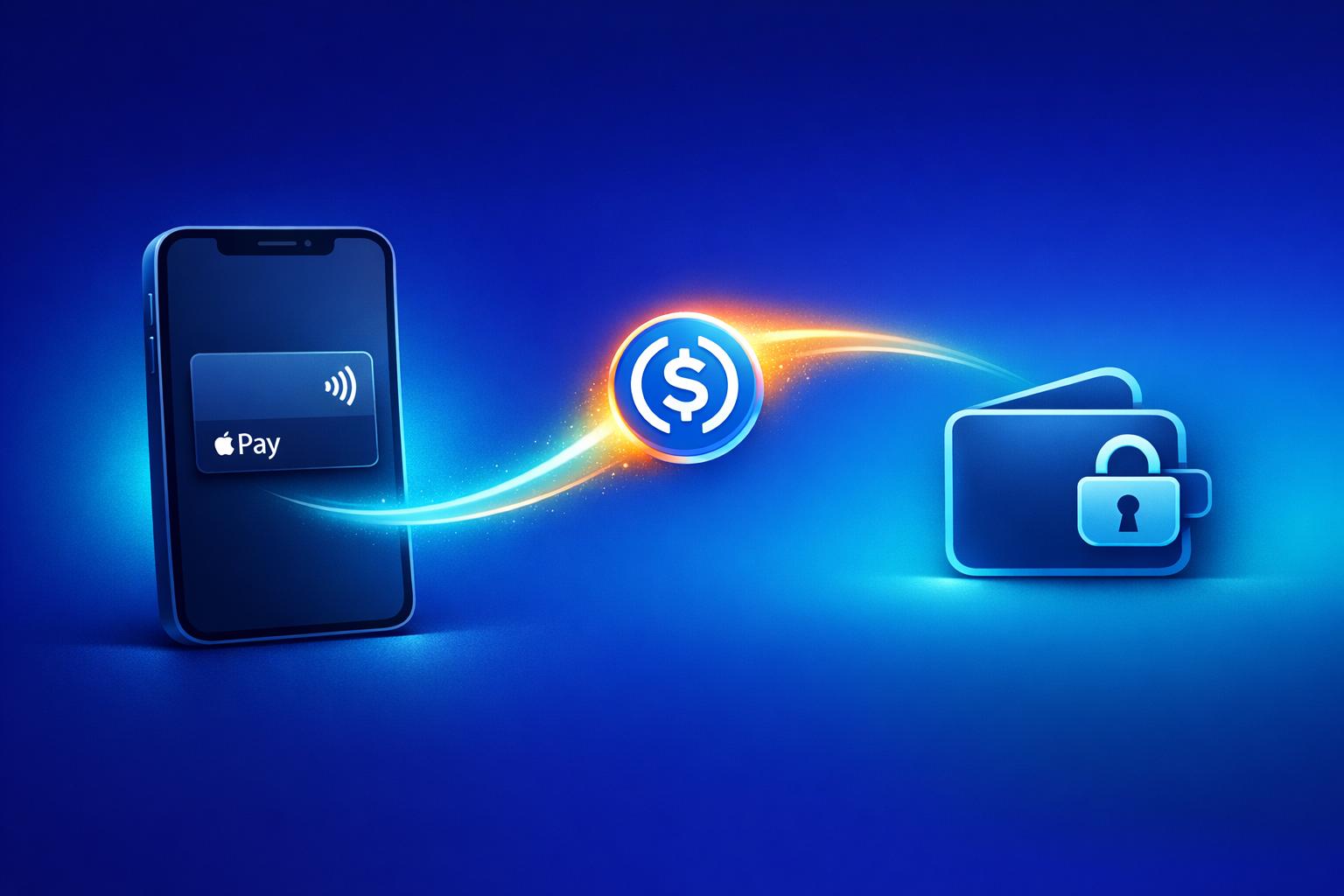
How to Buy USDC With Apple Pay - Instantly, Without an Account
Buy USDC instantly with Apple Pay and get funds sent to your self-custody wallet—no account or lengthy verification needed.
Read more
USDC vs EURC: Which Stablecoin Makes Sense for Everyday Use in Europe?
Compare EURC and USDC for daily use in Europe: euro stability vs dollar liquidity, fees, blockchains, and cash-out speed.
Read more
"Not Your Keys, Not Your Crypto" - What It Means in Practice
Control your private keys to truly own crypto: learn non-custodial wallets, backups, and practical steps to secure your seed phrase.
Read more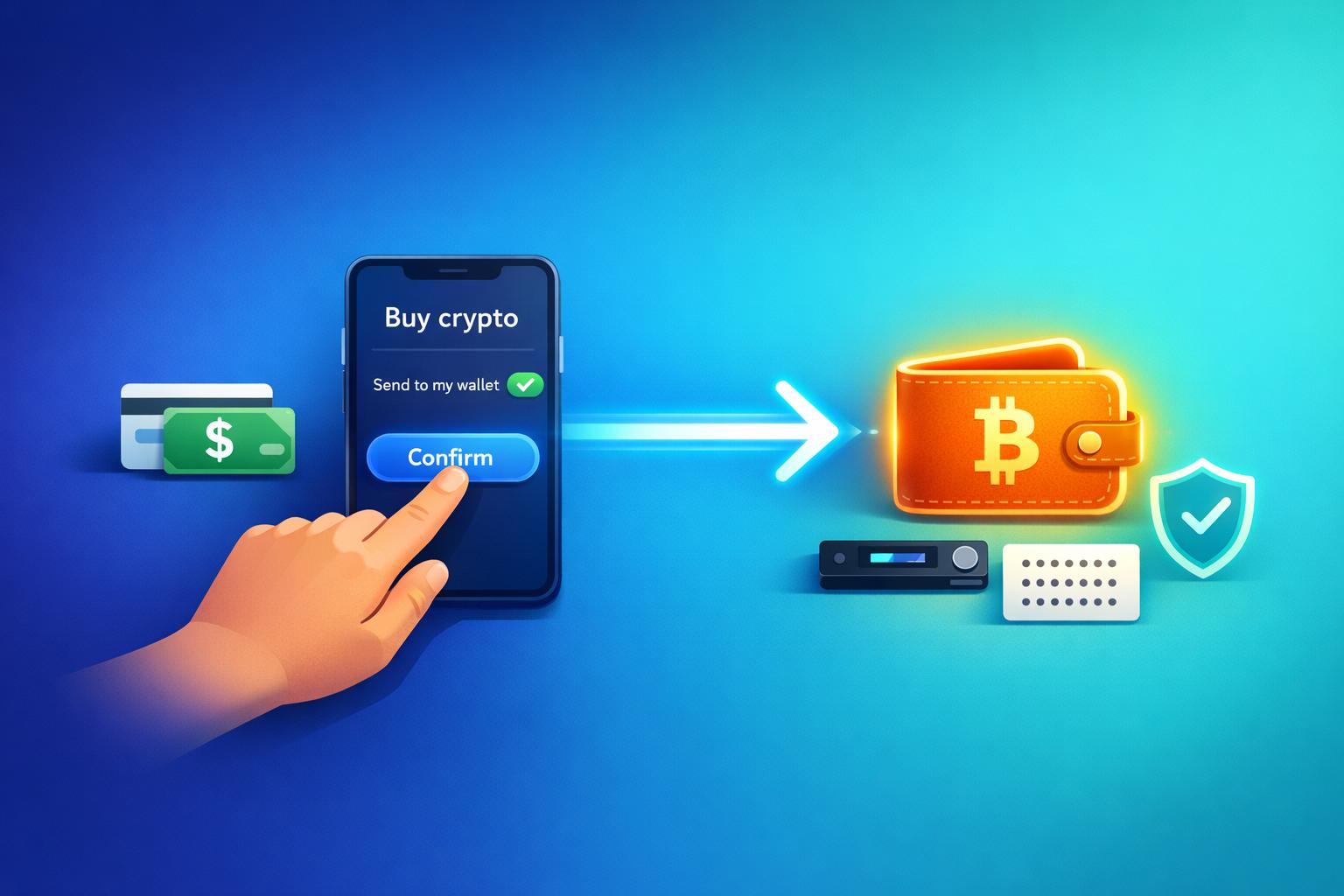
How to Buy Crypto and Send It Directly to Your Own Wallet (Not an Exchange)
Buy crypto with fiat and send it directly to your personal wallet. Choose a hardware or software wallet and follow simple security and backup steps.
Read more
Non-Custodial vs Custodial Wallet: Which One Actually Keeps Your Crypto Safe
Compare custodial vs non-custodial crypto wallets: control vs convenience, security risks, recovery methods, and when to use each.
Read more
What Is Self-Custody and Why Should You Care About Your Crypto Keys
Learn why holding your private keys matters, how self-custody protects against exchange risk, and practical steps to secure crypto with hardware wallets.
Read more
Fiat to Crypto in Under 5 Minutes: A Beginner's Guide to On-Ramping
Convert USD to crypto in minutes using instant card or mobile payments, direct wallet transfers, and quick in-checkout ID verification.
Read more
How to Top Up Your MetaMask Wallet With EUR in 2026
Clear steps to fund your MetaMask wallet with EUR in 2026: card, SEPA, or on‑ramp platforms, plus fees, security best practices, and troubleshooting.
Read more
What Is a Crypto On-Ramp? (And Why It Matters for Your Wallet)
Turn fiat into crypto securely: learn how on-ramps work, payment options, fees, and KYC to protect your wallet.
Read more
Buy Crypto With a Card in 3 Minutes - No Sign-Up Required
Buy crypto with a debit or credit card in minutes without registering. Transparent fees (EU 2%, others 4%), supports Visa/Mastercard, Apple/Google Pay.
Read more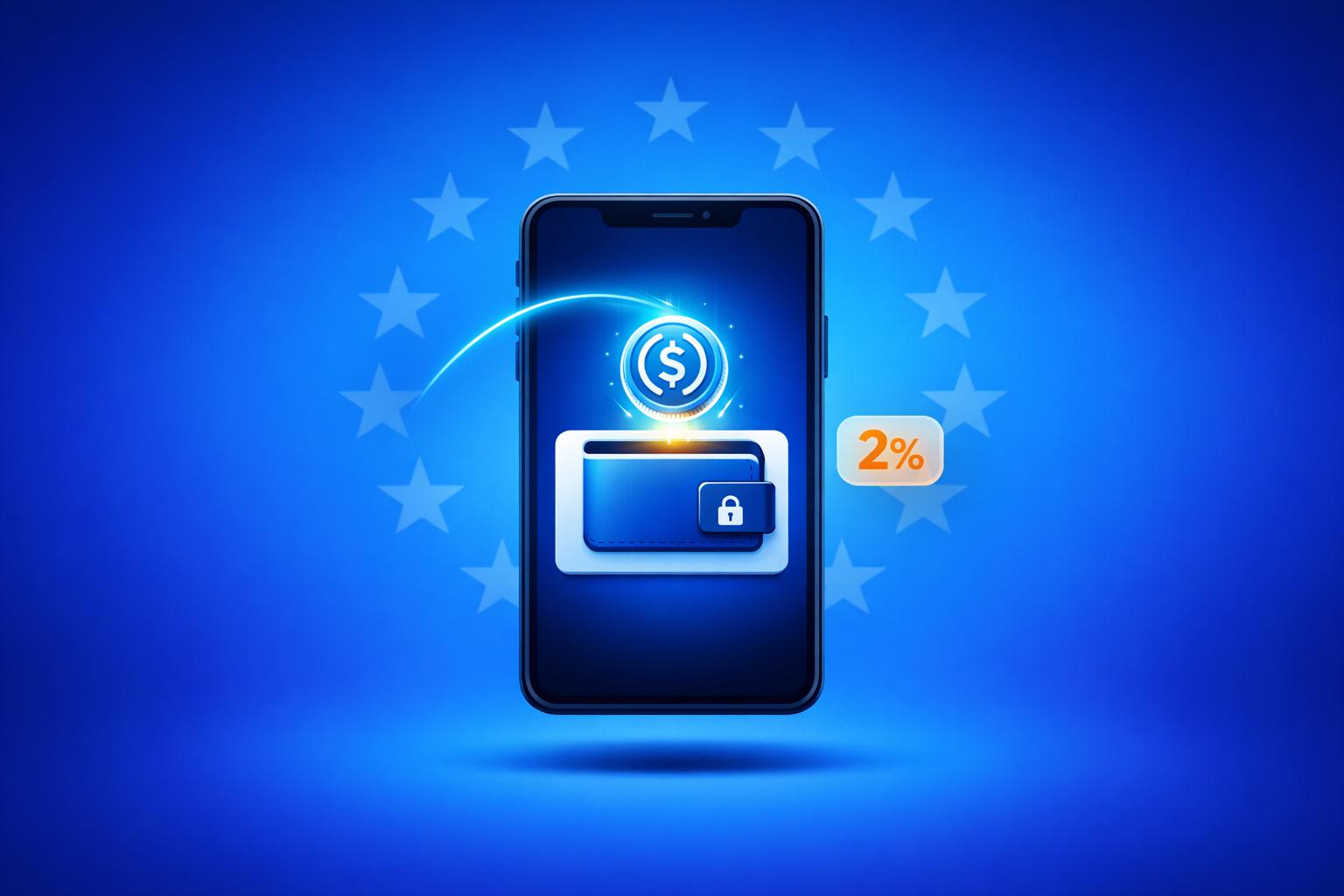
How to Buy USDC in Europe Without Creating an Account
Buy USDC in Europe quickly and privately without account creation — direct wallet delivery, fast payments, and transparent 2% EU fees.
Read moreHow to Buy USDC in Europe Without Creating an Account
Buy USDC in Europe quickly and privately without account creation — direct wallet delivery, fast payments, and transparent 2% EU fees.
Read more
How Gen Z Is Using Stablecoin Apps Instead of Bank Transfers
Gen Z is ditching banks for stablecoin apps that deliver instant, low-fee, 24/7 peer-to-peer and cross-border payments.
Read more
How Zero-Knowledge Proofs Work - Explained Without the Math
Zero-knowledge proofs let you verify truth without revealing secrets, enabling private, scalable blockchain and identity systems.
Read more
Renewable Energy Trends in Crypto Mining 2026
Hydropower, wind and solar power 52% of Bitcoin mining in 2026, lowering costs and emissions as miners balance reliability, storage and grid integration.
Read more
Case Studies: Dogecoin and Shiba Inu Communities
How community focus, memes and practical tools drove two meme-coin successes—one via tipping and charity, the other via DAO governance, burns and a DeFi ecosystem.
Read moreCase Studies: Dogecoin and Shiba Inu Communities
How community focus, memes and practical tools drove two meme-coin successes—one via tipping and charity, the other via DAO governance, burns and a DeFi ecosystem.
Read more
Checklist for Activating Wallet Security Features
Secure your cryptocurrency wallet with 2FA, hardware keys, anti-phishing tools, transaction verification, and regular maintenance to prevent theft.
Read more
Key Metrics to Analyze Altcoin Projects
Essential metrics to evaluate altcoin projects: market cap, liquidity, tokenomics, utility, developer activity, community strength, and security audits.
Read more
Checklist for Generating Crypto Tax Reports
Step-by-step checklist to gather crypto records, track income, calculate gains/losses, complete Form 8949/Schedule D, and file by April 15, 2026.
Read more
Checklist for Generating Crypto Tax Reports
Step-by-step checklist to gather crypto records, track income, calculate gains/losses, complete Form 8949/Schedule D, and file by April 15, 2026.
Read more
Smart Contracts: Use Cases and Limitations
How smart contracts power DeFi, insurance, supply chains, NFTs and real estate — and why bugs, oracle failures, gas fees and legal gaps limit adoption.
Read more
5 Features Every Crypto Wallet Needs
Learn the five essential crypto wallet features: strong security, easy UX, multi-asset support, reliable backups, and platform integrations.
Read more
Top Applications of Layer 2 in DeFi and Gaming
Compare top Layer 2 networks on speed, fees, TVL and which platforms best fit DeFi and blockchain gaming needs.
Read more
Stablecoin Interoperability: Challenges and Solutions
Interoperability will decide whether stablecoins become a universal payments layer or remain isolated across fragmented blockchains.
Read more
How Proof of Reserves Works for Stablecoins
How Merkle trees, cryptographic signatures, oracle feeds and secure minting verify stablecoin reserves and prevent over-issuance.
Read more
Challenges of Blockchain Adoption in Emerging Markets
Regulatory confusion, weak infrastructure, and fragmented blockchains are blocking emerging markets from realizing blockchain's promise.
Read more
How to Buy Crypto with Prepaid Cards
Step-by-step guide to buying crypto with prepaid Visa or Mastercard: check balance, confirm compatibility, pay, and secure your wallet.
Read more
How to Use Smart Contracts for Recurring Payments
Step-by-step guide to automating subscription billing with stablecoins and smart contracts — wallet setup, network choice, contract deployment, and security tips.
Read more
Crypto Portfolio Allocation Basics
Spread crypto investments across blue-chip coins, altcoins and stablecoins with conservative, balanced or growth models, plus rebalancing and risk tips.
Read more
KYC Requirements for Fiat-to-Crypto
Explains mandatory KYC steps for converting fiat to crypto: required documents, biometric checks, timelines, common issues, and U.S. regulatory rules.
Read more
How to Check Cold Wallet Coin Compatibility
Verify your cold wallet supports each coin and its blockchain, confirm device requirements, and run a small test transfer to avoid permanent loss.
Read more
Recurring Crypto Payments: How They Work
Learn how recurring crypto payments work, from wallet authorization and on-chain/off-chain methods to stablecoins, fees, and merchant setup.
Read more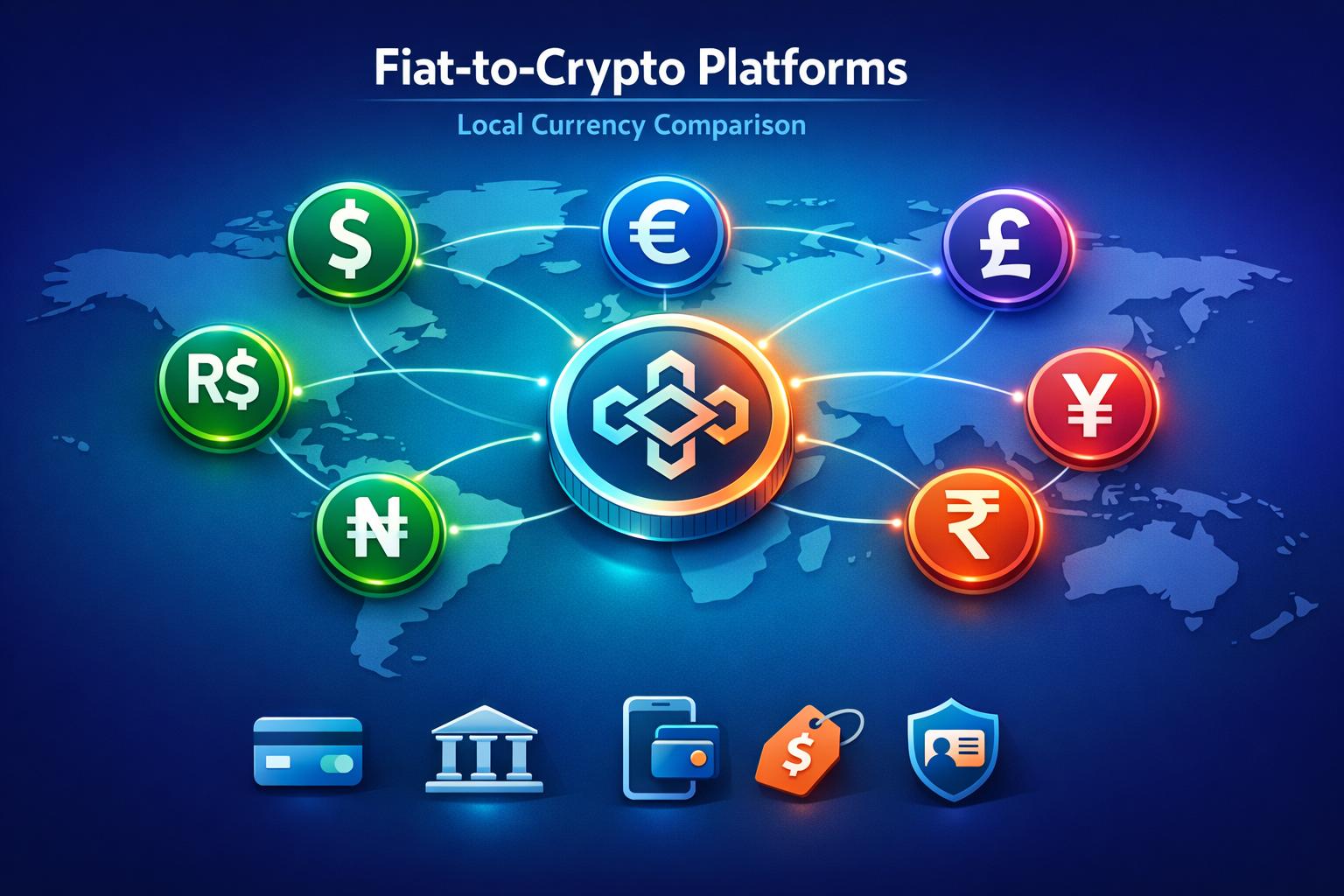
Fiat-to-Crypto Platforms: Local Currency Comparison
Compare fiat-to-crypto platforms by local currency support, fees, payment options, speed, and KYC to find fast, low-cost ways to buy crypto.
Read more
What Are Layer 2 Solutions in Crypto?
Explains how Layer 2 protocols speed up blockchains, cut fees, and maintain security — covering rollups, state channels, sidechains, risks, and examples.
Read more
Web Wallet Security: Best Practices
Practical steps to secure your web wallet: strong passwords, 2FA/hardware keys, offline seed storage, phishing defense, safe transactions, and updated software.
Read more
Cross-Border Stablecoin Rules: 2026 Overview
How U.S., EU, Singapore, Hong Kong and Japan regulate stablecoins in 2026 — reserve rules, licensing, AML, and cross-border challenges.
Read moreCross-Border Stablecoin Rules: 2026 Overview
How U.S., EU, Singapore, Hong Kong and Japan regulate stablecoins in 2026 — reserve rules, licensing, AML, and cross-border challenges.
Read more
How to Use 2FA to Protect Your Wallet
Compare SMS, authenticator apps, and hardware keys for crypto wallet 2FA; learn setup steps, backup-code storage, and best practices to prevent hacks.
Read more
7 Tips for Safe Crypto Transactions Online
Learn seven practical steps to secure crypto transfers, from using hardware wallets and 2FA to avoiding public Wi‑Fi, phishing, and choosing regulated platforms.
Read more
How Crypto Micropayments Work in Social Media
Tiny Lightning Network payments enable fast, low-cost tipping and creator rewards on platforms, letting users pay directly for content without hefty fees.
Read more
Layer 1 and Layer 2: How They Work Together
Explains how Layer 1 and Layer 2 work together to boost transaction speed, lower fees, and preserve security for DeFi, NFTs and small payments.
Read more
Crypto Remittance Fees: What High-Volume Users Must Know
How high-volume remitters cut costs with batching, stablecoins, low-fee networks, and volume pricing to minimize crypto transaction fees.
Read more
EU Crypto Regulations: Impact on Cross-Border Payments
EU crypto rules (MiCA, TFR, DAC8) force transparency, AML checks and tax reporting, reshaping cross-border crypto payments.
Read more
MiCA Explained: EU Crypto Licensing Guide
Overview of MiCA licensing: who must comply, key deadlines, capital and governance rules, EU passporting and penalties for non-compliance.
Read more
10 Countries Enforcing FATF Travel Rule in Crypto
Patchwork Travel Rule enforcement is forcing stricter crypto compliance and complicating cross-border transfers.
Read more
KYC Verification Problems: Causes and Fixes
KYC verifications fail due to bad documents, tech glitches, and regulatory gaps — practical fixes include clear uploads, troubleshooting, and automated ID tools.
Read more
Most Popular Fiat-Crypto Pairs on Kryptonim
Fast, transparent fiat-to-crypto pairs covering USD and EUR routes to BTC, ETH, USDT and LTC, with low minimums, clear fees, and direct wallet delivery.
Read more
5 Steps to Complete Crypto Identity Verification
Straightforward 5-step KYC process for crypto: prepare ID and proof of address, complete biometric checks, pass sanctions screening, and submit extra documents if needed.
Read more
Crypto Terms Beginners Misunderstand Most
Beginners often misread key crypto terms—volatility, HODL, market cap, FOMO and FUD—and lose money; learn the real meanings to invest smarter.
Read more
Seed Phrase Storage: Best Practices Explained
Clear guide to storing seed phrases: avoid digital copies, use metal or multiple offline backups, test restores, and consider multisig or Shamir's Secret Sharing.
Read more
Hot Wallet Security: Tips for Safe Use
Practical tips to secure hot crypto wallets: strong passwords, hardware 2FA, avoid phishing, protect private keys, limit funds, update software, and test backups.
Read more
How Regulation Impacts Crypto Crowdfunding
Regulation is reshaping crypto crowdfunding — rules on fundraising caps, disclosures, KYC/AML and stablecoins now determine which projects succeed.
Read more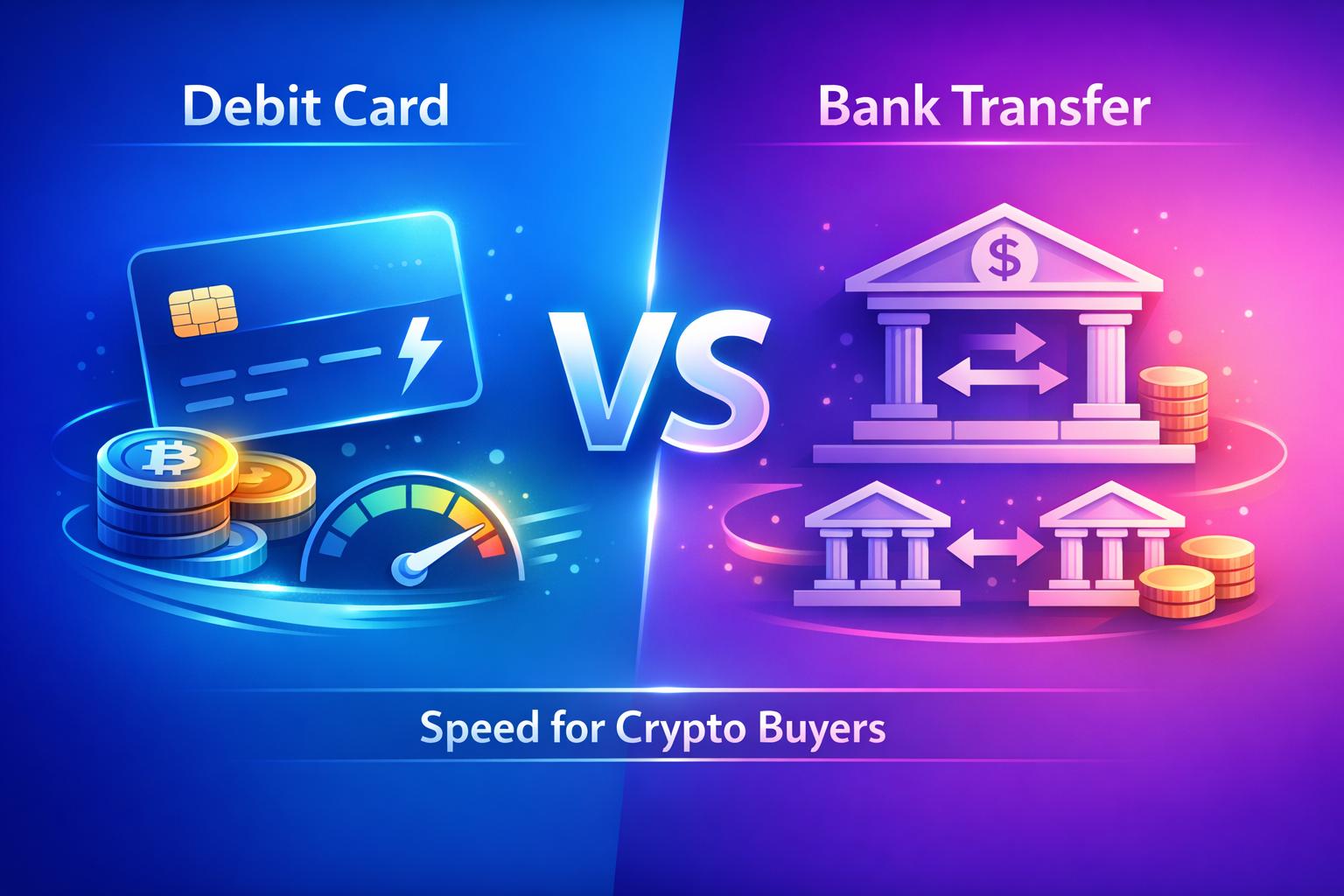
Debit vs. Bank Transfers: Speed for Crypto Buyers
Compare debit cards, ACH and wire transfers for buying crypto — speed, fees, limits, and which method fits your needs.
Read more
Security Tokens and STOs: Basics for Beginners
Learn how security tokens and STOs tokenize real assets, enforce compliance, enable fractional ownership, and pose liquidity and technical risks.
Read more
Top Challenges in Cross-Border KYC Compliance
Major cross-border KYC hurdles—regulatory divergence, privacy vs AML, and diverse ID checks—and how AI, blockchain, and real-time monitoring can streamline compliance.
Read more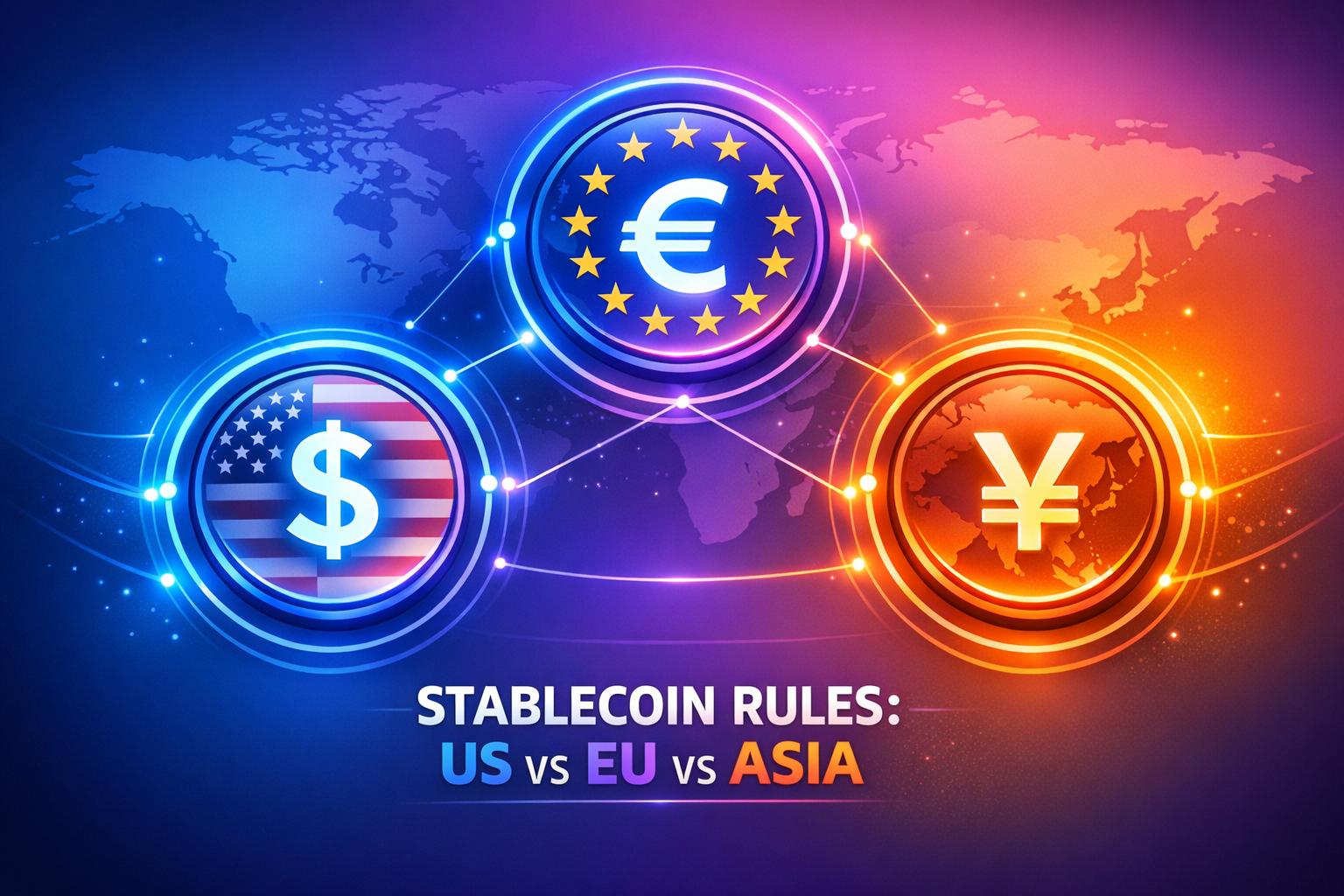
Stablecoin Rules: US vs EU vs Asia
Stablecoin rules differ across the US, EU and Asia — from 1:1 reserve backing and issuer licensing to redemption timelines and cross-border limits affecting trading.
Read more
Managing Emotions: Greed in Crypto Trading
Greed destroys crypto portfolios; learn to spot FOMO, use the Fear & Greed Index, set stop-losses and profit targets to protect gains.
Read more
Ultimate Guide to Crypto Reporting for Cross-Border Payments
Overview of DAC8, CARF, Travel Rule, US Form 1099-DA deadlines, recordkeeping and compliance steps to manage cross-border crypto reporting.
Read more
Top 7 Tools for Secure Recovery Phrase Sharing
Protect crypto access by using encrypted managers, hardware metal backups, and Shamir splits—choose tools that balance security, redundancy, and ease.
Read more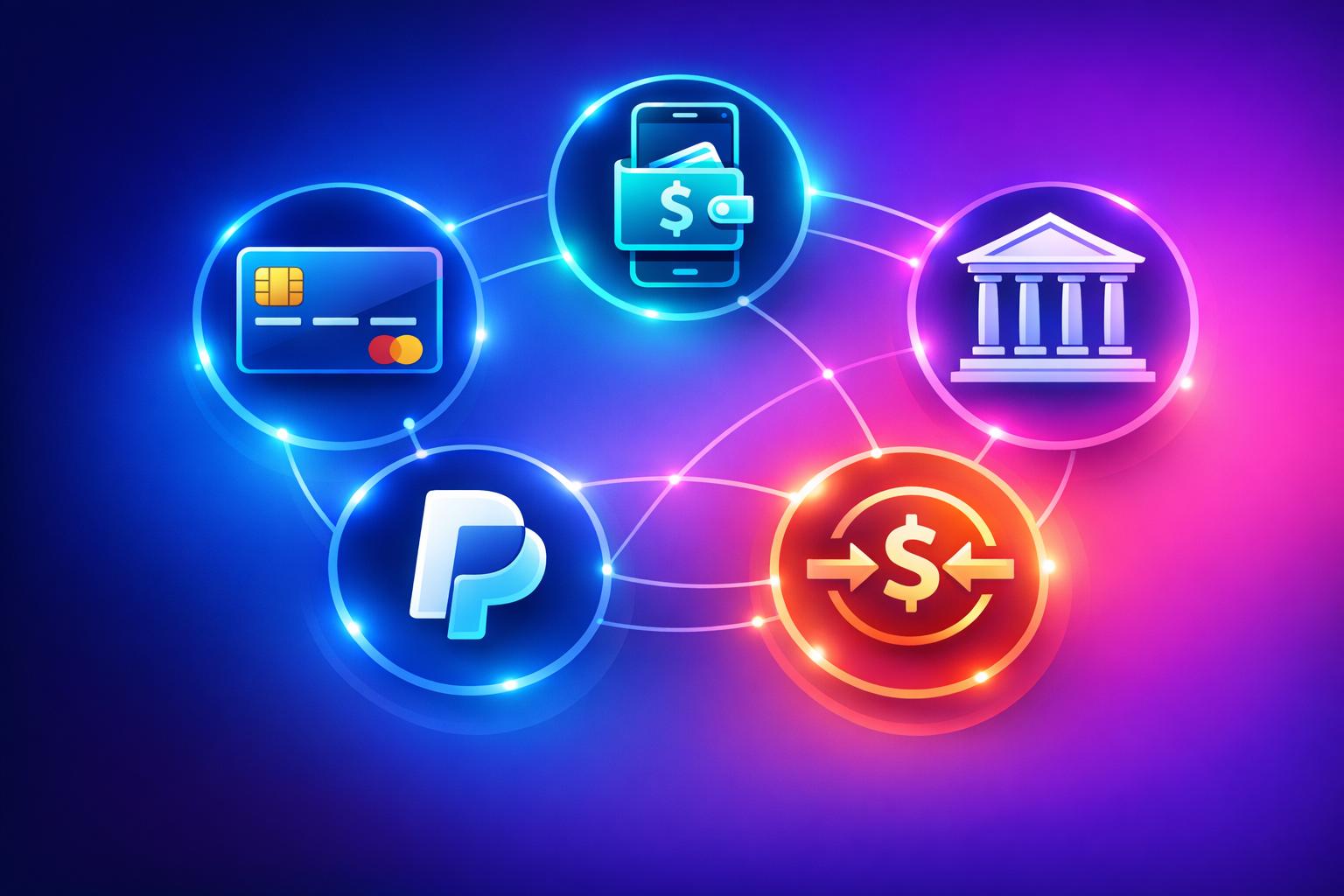
Top Fiat Payment Methods for Beginners
Compare crypto payment options—cards, bank transfers, mobile wallets, PayPal, wires, and instant fiat-to-crypto—by speed, fees, and ease for beginners.
Read more
Why Layer 2 Matters for Mass Adoption
How Layer 2 boosts blockchain throughput and cuts fees up to 100x, enabling gaming, micropayments and DeFi while highlighting security and liquidity trade-offs.
Read more
How Automated Tools Detect Crypto Pump-and-Dumps
Explains how automated tools detect crypto pump-and-dumps using market, order book, social media, and blockchain signals to flag manipulation early.
Read more
Top 5 Risks of Investing in Meme Coins
Five major risks of meme coin investing: extreme volatility, no utility, concentrated ownership, social-media manipulation, and regulatory uncertainty.
Read more
How Fixed Fee Models Work in Crypto
Fixed fee models make crypto costs predictable and simple—best for medium transfers and fiat-to-crypto conversions; small transfers pay proportionally more.
Read more
5 Steps to Set Crypto Investment Goals
Five-step framework to set clear crypto investment goals: assess finances, define objectives, set SMART targets, pick DCA or lump-sum, and review.
Read more
What Are Community Tokens?
Learn what community tokens are, how membership, reward, and governance tokens work, real use cases, and key risks like volatility and regulatory concerns.
Read more
What Causes Crypto Volatility?
Understand why crypto prices swing wildly: sentiment, supply-demand imbalances, low liquidity, regulatory uncertainty, tech failures, and global shocks.
Read more
Cross-Border Crypto: Legal Risks Explained
Understand legal risks in international crypto transfers—AML/KYC, sanctions, taxes, and Travel Rule obligations—and practical steps to reduce liability.
Read more
Checklist for Choosing an Anonymous Wallet
Choose the right anonymous crypto wallet: no-KYC, non-custodial keys, Tor/CoinJoin support, hardware compatibility, clear fees, and easy recovery options.
Read more
How E-Wallets Simplify Crypto Purchases
E-wallets make buying crypto fast and secure. This guide covers fees, steps, and safety tips for instant fiat-to-crypto purchases.
Read more
Depegging: Why Stablecoins Fail
Explains why stablecoins depeg - liquidity, weak reserves, algorithm flaws, and regulation - plus examples and ways to reduce risk.
Read more
What Are Utility Tokens in dApps?
Defines utility tokens and how they power dApps via smart contracts, common uses (access, payments, rewards), plus key benefits, risks, and storage basics.
Read more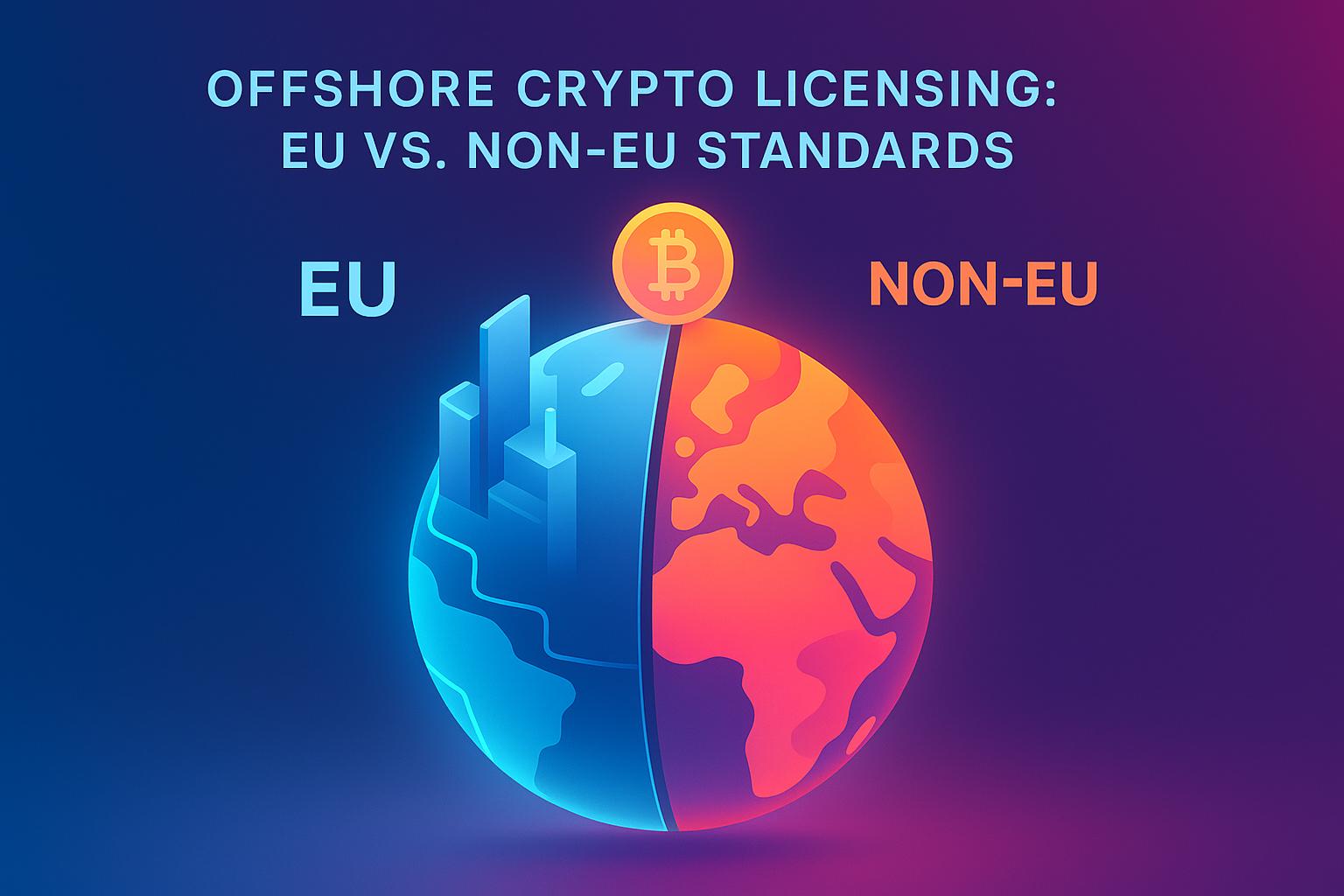
Offshore Crypto Licensing: EU vs. Non-EU Standards
Explore the differences between EU and non-EU offshore crypto licensing, weighing costs, compliance, and market access for your business.
Read more
5 Key Points About EU Crypto Regulations
Explore the EU's new crypto regulations that enhance security, transparency, and consumer protection across all member states.
Read more
How Cold Wallets Store Crypto Offline
Cold wallets provide the ultimate security for cryptocurrency by keeping private keys offline, safeguarding assets from online threats.
Read more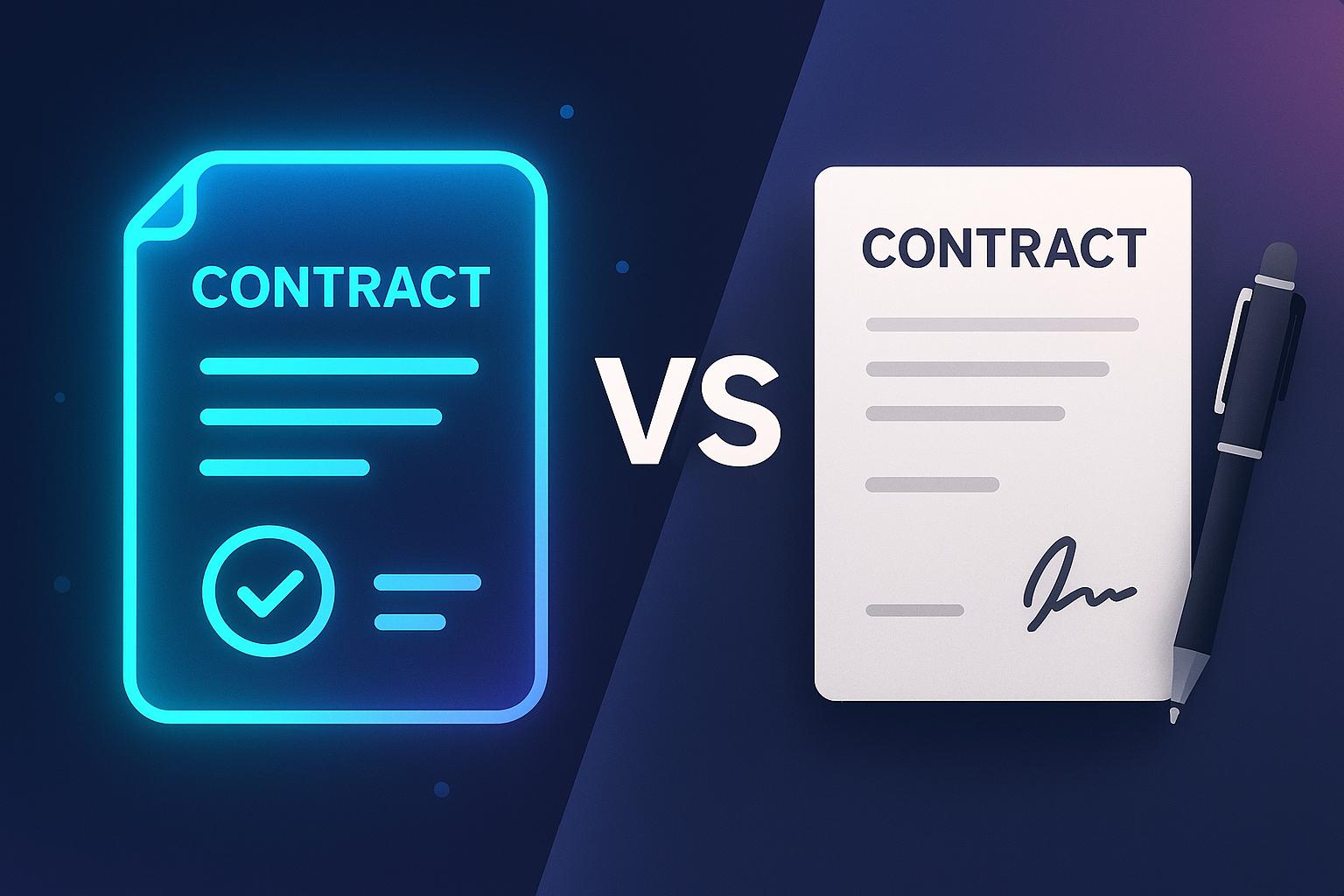
Smart Contracts vs Contracts: Pros and Cons
Explore the pros and cons of smart contracts versus traditional contracts, comparing execution speed, costs, flexibility, and legal recognition.
Read more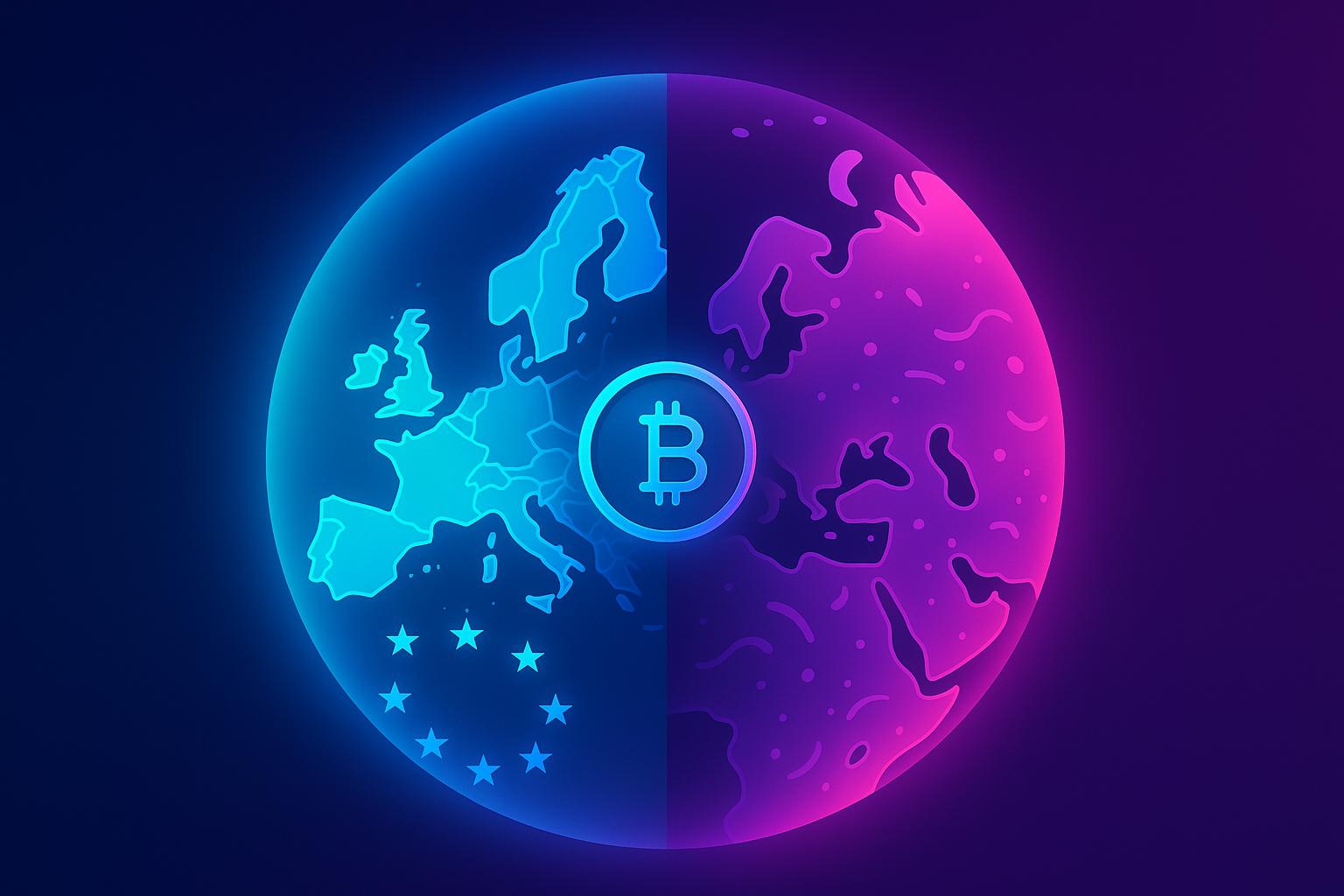
VAT on Crypto: EU vs. Non-EU Transactions
Explore the complexities of VAT on cryptocurrency transactions, comparing EU regulations to diverse non-EU approaches and compliance challenges.
Read more
How Social Trading Helps Crypto Beginners
Social trading empowers crypto beginners by allowing them to learn from experienced traders, reducing emotional mistakes and enhancing decision-making.
Read more
Fiat-to-Crypto Platforms: Regional Comparison
Explore how fiat-to-crypto platforms differ across the U.S., EU, and Africa, focusing on fees, transaction speeds, and regulatory environments.
Read moreNeed more information?
Feel free to reach out to our team using the chat icon for any lingering questions or further details.
